
Causes of Female Hair Loss in Austin, TX
Key Takeaways
Androgenetic alopecia is the most common hereditary cause of female hair loss.
Thyroid dysfunction, PMOS, and menopause are primary hormonal drivers of thinning.
Low ferritin and vitamin D deficiency are frequently overlooked nutritional contributors.
Medications and chronic stress can trigger telogen effluvium, a temporary shedding condition.
Effective treatment begins with comprehensive diagnostics and a full medical history.
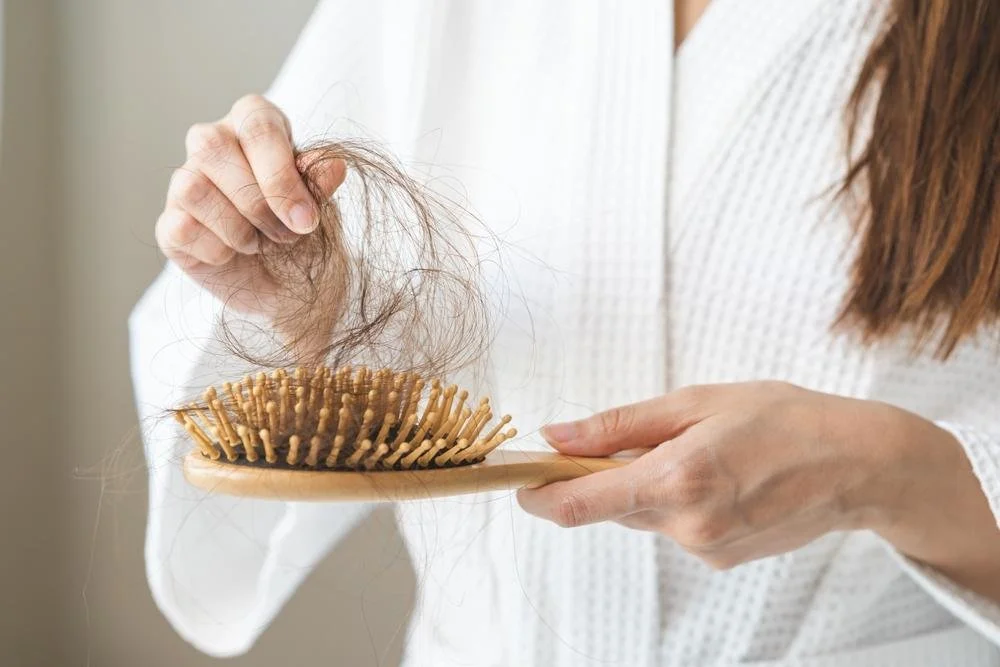
Hair loss affects millions of women, yet it remains one of the most underdiagnosed conditions in primary care. The causes of female hair loss are rarely singular. They reflect an intersection of genetic predisposition, hormonal disruption, nutritional gaps, and systemic health factors, and recognizing the complexity early is what makes the difference between a treatment plan that works and one that does not. With functional medicine, Austin Medicine uncovers the full picture behind your symptoms, so patients get answers, not approximations.
Understanding the Root Causes of Female Hair Loss
Alopecia, the clinical term for hair loss, does not follow a single pattern in women. Some patients notice a gradual widening of the center part; others experience sudden, diffuse shedding with no obvious trigger. The difference matters, because according to MedlinePlus, primary causes span hereditary factors, hormonal fluctuations, nutritional deficiencies, and medical conditions that disrupt the hair growth cycle. Where the loss appears, and how it progresses, carries diagnostic weight pointing toward entirely different underlying mechanisms.
The hair growth cycle moves through anagen (active growth), catagen (transition), and telogen (rest). When stressors force too many follicles into the telogen phase at once, accelerated shedding follows. Metabolic stressors, including rapid weight loss, are amongthe triggers that can force this shift. Identifying which stressor initiated the shift is the foundation of effective treatment.
Hereditary Conditions That Lead to Thinning Hair in Women
Androgenetic alopecia is the most prevalent hereditary form of hair loss in women, and it frequently goes unrecognized because it does not mirror the male pattern. Rather than a receding hairline, it presents as diffuse thinning across the crown and a progressively wider center part. According to the National Center for Biotechnology Information, the condition is polygenic, driven by androgen sensitivity at the follicular level, meaning susceptibility is inherited, not triggered by lifestyle.
Family history on either the maternal or paternal side can indicate predisposition, though the pattern is not always direct. Because androgenetic alopecia is progressive, early identification matters: follicular miniaturization advances gradually, and earlier intervention consistently produces better outcomes.
Hormonal Imbalances and Their Impact on Female Hair Growth
Hormonal fluctuations are among the most clinically significant causes of female hair loss, operating through several distinct pathways. Thyroid dysfunction, whether hypothyroidism or hyperthyroidism, alters the metabolic environment at the follicular level and produces diffuse shedding. In many cases, hair loss is the first visible symptom, appearing before a thyroid condition has been formally diagnosed.
Polyendocrine Metabolic Ovarian Syndrome (PMOS) drives loss through excess androgen production, miniaturizing follicles in a pattern that resembles androgenetic alopecia, even in younger women. Perimenopause and menopause bring declining estrogen and progesterone, which shorten the anagen phase and increase the proportion of resting follicles, resulting in noticeable density loss.
Chronic stress compounds the picture. Sustained cortisol elevation pushes follicles prematurely into rest, a condition known as telogen effluvium. Each driver requires a distinct diagnostic, which is why comprehensive bloodwork and a thorough health history are essential starting points.
Medical, Nutritional, and Environmental Factors Behind Hair Loss
Genetics and hormones do not always tell the full story. Medical, nutritional, and environmental factors frequently contribute, either independently or as amplifiers of existing vulnerabilities. Among the most commonly missed is iron deficiency, particularly low ferritin, a protein critical to follicular metabolism that does not always drop alongside anemia. Standard panels can return normal results while ferritin remains too low to support healthy hair growth.
Vitamin D deficiency has been linked to non-scarring alopecia, and severe caloric restriction or protein insufficiency compounds the problem by depriving follicles of the nutrients needed to sustain active growth, accelerating the shift into telogen.
Certain medications, including anticoagulants, retinoids, and some antihypertensives, are documented causes of hair loss, as are autoimmune conditions such as alopecia areata and lupus erythematosus, which produce localized loss through immune-mediated follicular damage. Chronic chemical treatments or heat styling can further compound these vulnerabilities.
A complete evaluation of the causes of female hair loss must account for all of these variables, because addressing one factor while others remain active rarely produces durable results.
Contact Us Today for Personalized Diagnosis and Hair Loss Treatment
Hair loss that goes undiagnosed does not stay static; it progresses. Austin Medicine approaches every case with the same commitment: identify the real source, build a plan around it, and support patients through every step. Call us today at (737) 400-6010 to schedule your evaluation and begin addressing the causes of female hair loss at their root.
Meet the Author
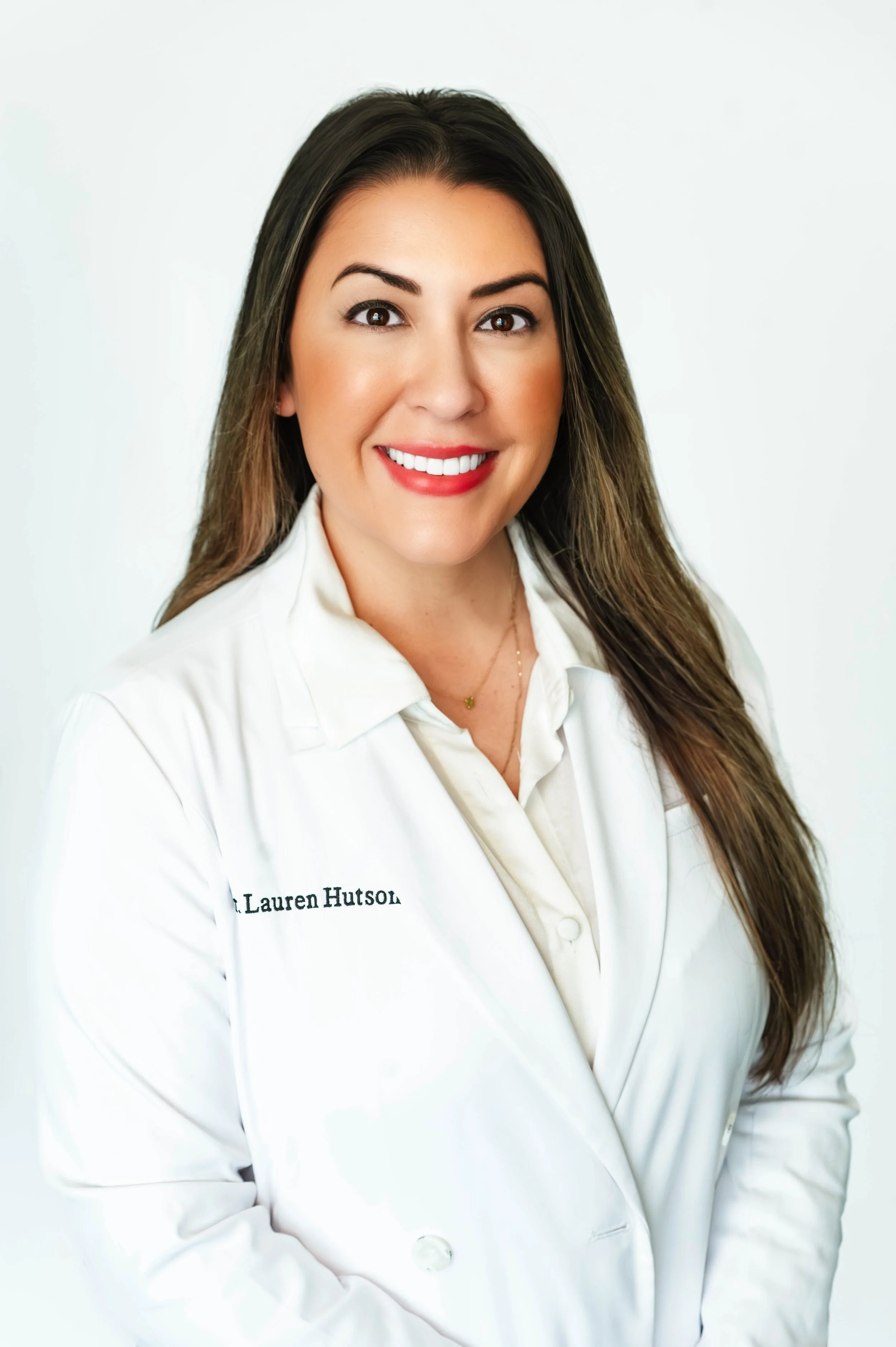
Dr. Lauren Hutson is an experienced Primary Care Provider with degrees in Neuroscience and Biology from the University of Texas at Austin. She completed her residency at Baylor Scott & White, Texas A&M, with ABIM certification in Internal Medicine and has developed a strong focus on preventive care and chronic illness management. During the COVID-19 pandemic, she provided critical care as a Hospitalist in New Mexico, exemplifying her commitment to saving lives.
Dr. Hutson is also trained in Functional Medicine, is ABHRT and SSRP certified, and holds ABCN certification pending- these tools help exemplify her passion for root cause approach and healing the body as a whole. She practices medicine at the cellular level, focusing on enhancing longevity and optimizing long-term health by addressing root causes. She believes that all disease can start in the gut, and has authored a book on gut health to share her insights on the microbiome’s role in overall wellness.
Her front-line experiences during the pandemic inspired her to emphasize preventive health and health span over lifespan, investing in personalized strategies that empower patients to live healthier, longer, and more vibrant lives.