
Key Takeaways
Hormonal shifts after 40 slow metabolism and alter how the body stores fat.
Declining estrogen and testosterone directly affect body composition and energy regulation.
Sarcopenia, the age-related loss of muscle mass, reduces the body's baseline caloric burn.
Elevated cortisol from chronic stress drives visceral fat accumulation around the midsection.
Poor sleep quality compounds hormonal imbalance, increasing appetite and reducing fat metabolism.
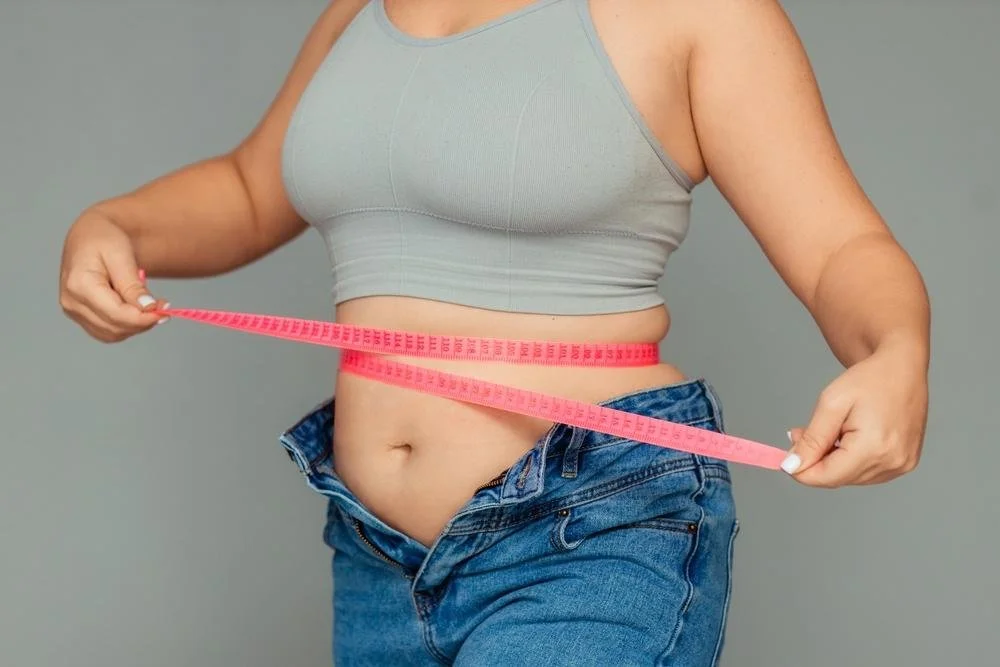
For many adults in Texas, turning 40 marks an unexpected turning point: the habits that once kept weight in check quietly stop working. Weight loss after 40 is not simply a matter of eating less or moving more. Physiological changes, hormonal transitions, and compounding lifestyle factors make weight management meaningfully more complex with each passing decade. At Austin Medicine our weight loss clinic helps patients understand what is driving these changes and how to address them with a personalized, evidence-based approach.
The Impact of Hormones and Aging on Metabolism
Most people do not expect hormonal changes to manifest as weight gain, but that connection is well established and tends to begin earlier than expected. According to MedlinePlus, hormonal regulation shifts gradually with age as tissues become less responsive to key hormones and production levels change across multiple systems.
In women, estradiol declines during perimenopause and menopause, changing how the body stores fat and increasing accumulation around the abdomen, even without major dietary changes. These shifts are a major reason menopausal weight gain often requires a different strategy than what worked in earlier decades. In men, lower testosterone levels gradually reduce muscle mass and impair metabolic efficiency, making it harder for the body to convert food into energy. In both cases, the result is similar: the body burns fewer calories at rest, even when daily activity levels remain the same.
Thyroid function and blood sugar regulation follow a similar pattern. As these systems lose efficiency, the body becomes more inclined to store energy as fat. Any one of these changes would be manageable on its own. The difficulty is that they rarely arrive alone.
How Muscle Loss, Stress, and Sleep Affect Weight Gain
Hormonal changes rarely act alone. Three other factors tend to arrive alongside them, each reinforcing the others: muscle loss, chronic stress, and poor sleep.
Muscle tissue burns calories continuously. As muscle mass naturally declines after 40, the body burns fewer calories at rest. Because this shift happens gradually, many people do not recognize the connection until weight becomes harder to manage despite consistent effort.
Prolonged stress keeps cortisol elevated, promoting fat storage around the abdomen while driving cravings for calorie-dense food. The steady pressure of work, family, and daily responsibilities can keep cortisol high for months, long enough to shift body composition in a meaningful way.
Sleep is where everything converges. When sleep quality declines, the hormones that regulate hunger and fullness stop communicating clearly, and appetite rises. As Harvard Health notes, inadequate sleep consistently ranks among the physiological factors linked to weight gain and often goes overlooked. When combined with existing hormonal changes, poor sleep can make it considerably harder to reverse weight gain.
Common Challenges That Make Losing Weight Harder With Age
Understanding the mechanisms behind midlife weight gain clarifies why conventional approaches so often fall short. Standard calorie-restriction strategies, shifting nutritional needs, and changing activity tolerance all create barriers that compound quietly over time. For many patients, the real obstacle is not effort but the lack of a plan tailored to their current physiology.
The most common challenges include:
Results That Do Not Reflect Effort: The scale may move, but body composition often worsens when the underlying drivers of weight gain are not addressed directly.
Dietary Patterns That Stop Working: What kept people at a healthy weight in earlier decades often falls short after 40, even without obvious changes in behavior.
Recovery That Takes Longer: Physical activity feels harder to sustain, and the body needs more time to respond and adapt than it once did.
Health Factors That Go Unrecognized: Imbalances in key areas of health often go undetected in routine visits, leaving patients without a clear explanation for why progress stalls.
Without identifying and addressing those underlying factors, weight loss after 40 remains a surface-level effort with inconsistent, often discouraging results. That is precisely where a personalized clinical approach makes the difference.
Schedule a Consultation With Austin Medicine for Personalized Wellness Support
Lasting weight loss after 40 requires more than a calorie deficit. It calls for a clinical evaluation that considers hormonal status, metabolic function, body composition, and lifestyle as interconnected factors. Austin Medicine offers a comprehensive weight management program with medication, nutrition guidance, exercise coaching, and supplementation tailored to each patient’s physiology. Call us at (737) 400-6010 today to take the first step toward a plan designed to work with your body, not against it.
Meet the Author
Dr. Lauren Hutson is an experienced Primary Care Provider with degrees in Neuroscience and Biology from the University of Texas at Austin. She completed her residency at Baylor Scott & White, Texas A&M, with ABIM certification in Internal Medicine and has developed a strong focus on preventive care and chronic illness management. During the COVID-19 pandemic, she provided critical care as a Hospitalist in New Mexico, exemplifying her commitment to saving lives.
Dr. Hutson is also trained in Functional Medicine, is ABHRT and SSRP certified, and holds ABCN certification pending- these tools help exemplify her passion for root cause approach and healing the body as a whole. She practices medicine at the cellular level, focusing on enhancing longevity and optimizing long-term health by addressing root causes. She believes that all disease can start in the gut, and has authored a book on gut health to share her insights on the microbiome’s role in overall wellness.
Her front-line experiences during the pandemic inspired her to emphasize preventive health and health span over lifespan, investing in personalized strategies that empower patients to live healthier, longer, and more vibrant lives.