
How to Improve Dyslipidemia Naturally: Lower Cholesterol Without Statins
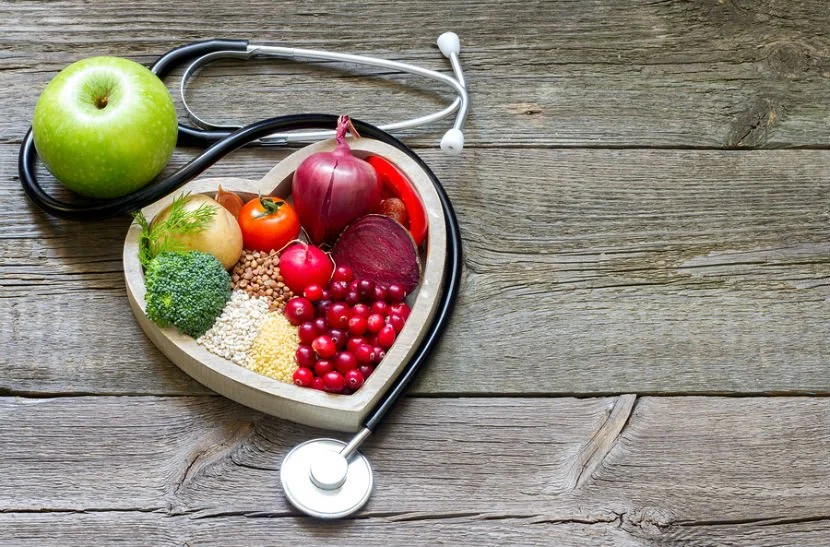
Dyslipidemia, or unhealthy cholesterol and triglyceride levels, is one of the most common warning signs of underlying metabolic dysfunction. Many people are told they have high cholesterol, elevated LDL, low HDL, or high triglycerides, but are not given a clear explanation of what it means or what to do next.
The good news is that in many cases, there are ways to improve cholesterol naturally and support lipid metabolism without statins, especially when you address the root cause.
What is dyslipidemia?
Dyslipidemia means your blood lipids are out of balance. This may include:
High LDL cholesterol
High triglycerides
Low HDL cholesterol
Elevated ApoB or other advanced lipid markers
While many people focus only on total cholesterol, dyslipidemia is often connected to insulin resistance, inflammation, thyroid dysfunction, poor diet, chronic stress, poor sleep, genetics, and lack of movement.
Why high cholesterol and dyslipidemia are dangerous.
High cholesterol does not usually cause symptoms early on, which is why it is easy to ignore. But over time, abnormal lipid levels can contribute to plaque buildup in the arteries, increasing the risk of:
Heart disease
Heart attack
Stroke
Fatty liver
Metabolic syndrome
Chronic inflammation
This is why it is important to look deeper than a basic cholesterol panel. At Austin Medicine, we often evaluate a broader picture that may include ApoB, triglycerides, HDL, fasting insulin, CRP, ferritin, and other cardiovascular risk markers.
Can you lower cholesterol without statins?
Sometimes, yes. Statins can be the right choice for certain patients, especially those with known cardiovascular disease and prior heart attack, diabetes, very high LDL, or significant risk factors. But not everyone with dyslipidemia needs the same treatment plan.
If you want to lower cholesterol naturally, the first step is understanding why your cholesterol is elevated in the first place. In many patients, improving insulin sensitivity, reducing inflammation, supporting thyroid function, and changing nutrition and lifestyle habits can significantly improve lipid metabolism.
How to improve dyslipidemia naturally
1. Eat 30 grams of fiber a day
One of the best ways to improve cholesterol naturally is to increase fiber intake. Fiber supports healthy cholesterol levels, improves blood sugar balance, feeds the gut microbiome, and helps lower LDL.
Aim for at least 30 grams of fiber per day from foods like:
Vegetables and leafy greens
Beans and lentils
Chia and flax seeds
Berries
Nuts and seeds
Avocado
2. Improve blood sugar balance
High triglycerides and low HDL are often signs of insulin resistance. Reducing processed carbohydrates, added sugars, and frequent snacking can help stabilize blood sugar and improve cholesterol levels.
Focus on:
Protein-rich meals
Fiber-rich whole foods
Minimally processed carbohydrates
Balanced meals that reduce glucose spikes
3. Replace saturated fats with unsaturated fats
If you are trying to lower LDL cholesterol naturally, one helpful step is replacing more saturated fats with unsaturated fats.
Helpful swaps include:
Olive oil instead of butter in many meals
Avocado instead of processed spreads
Nuts and seeds instead of packaged snacks
Fatty fish as a regular protein source
4. Use targeted supplements when appropriate
Some patients benefit from targeted nutritional support to improve lipid metabolism.
Depending on the person, this may include:
Omega-3 fatty acids
CoQ10
Plant sterols
Berberine
Berberine is one of Dr. Hutson’s favorite tools in the right patient, especially when insulin resistance is part of the picture.
5. Optimize thyroid function, including T3 when needed
Thyroid function plays a major role in cholesterol metabolism. In some patients, suboptimal thyroid function can contribute to elevated LDL and sluggish metabolism. Optimizing thyroid function, including T3 when clinically appropriate, may help improve lipid markers.
6. Exercise consistently
Regular movement helps improve triglycerides, insulin sensitivity, HDL, and overall cardiovascular health.
Aim for:
Daily walking
Strength training 2 to 4 times per week
Movement after meals
Consistency over intensity
7. Improve sleep and lower stress
Poor sleep and chronic stress can worsen insulin resistance, inflammation, cravings, and lipid metabolism. Supporting the nervous system is an important but often overlooked part of improving cholesterol naturally.
8. Look for root causes
If cholesterol remains abnormal, it may be time for deeper testing. Root-cause evaluation may include:
ApoB and advanced lipid markers
Fasting insulin and glucose
Thyroid labs (full panel)
Sex hormones
Liver function
Inflammatory markers
Genetics that affect metabolism
How often should you check your cholesterol?
How often you should check your cholesterol depends on your risk level and whether you are actively working to improve dyslipidemia.
A general guide:
Low-risk adults with stable labs: every 12 months
If making lifestyle changes or adjusting treatment: every 3 to 6 months
If you have metabolic syndrome, diabetes, strong family history, or elevated cardiovascular risk: often every 3 to 6 months initially
A more personalized approach to high cholesterol
Two people can have the same LDL cholesterol and need completely different treatment plans. Size of the particles matter.
That is why a personalized, root-cause approach matters.
At Austin Medicine, we look beyond standard cholesterol numbers to understand what is driving dyslipidemia and how to improve it in a way that supports long-term health.
If you want more details on this kind of personalized approach to high cholesterol, dyslipidemia, and lipid metabolism, make an appointment with either Dr. Hutson or Maria to discuss the right plan for you.
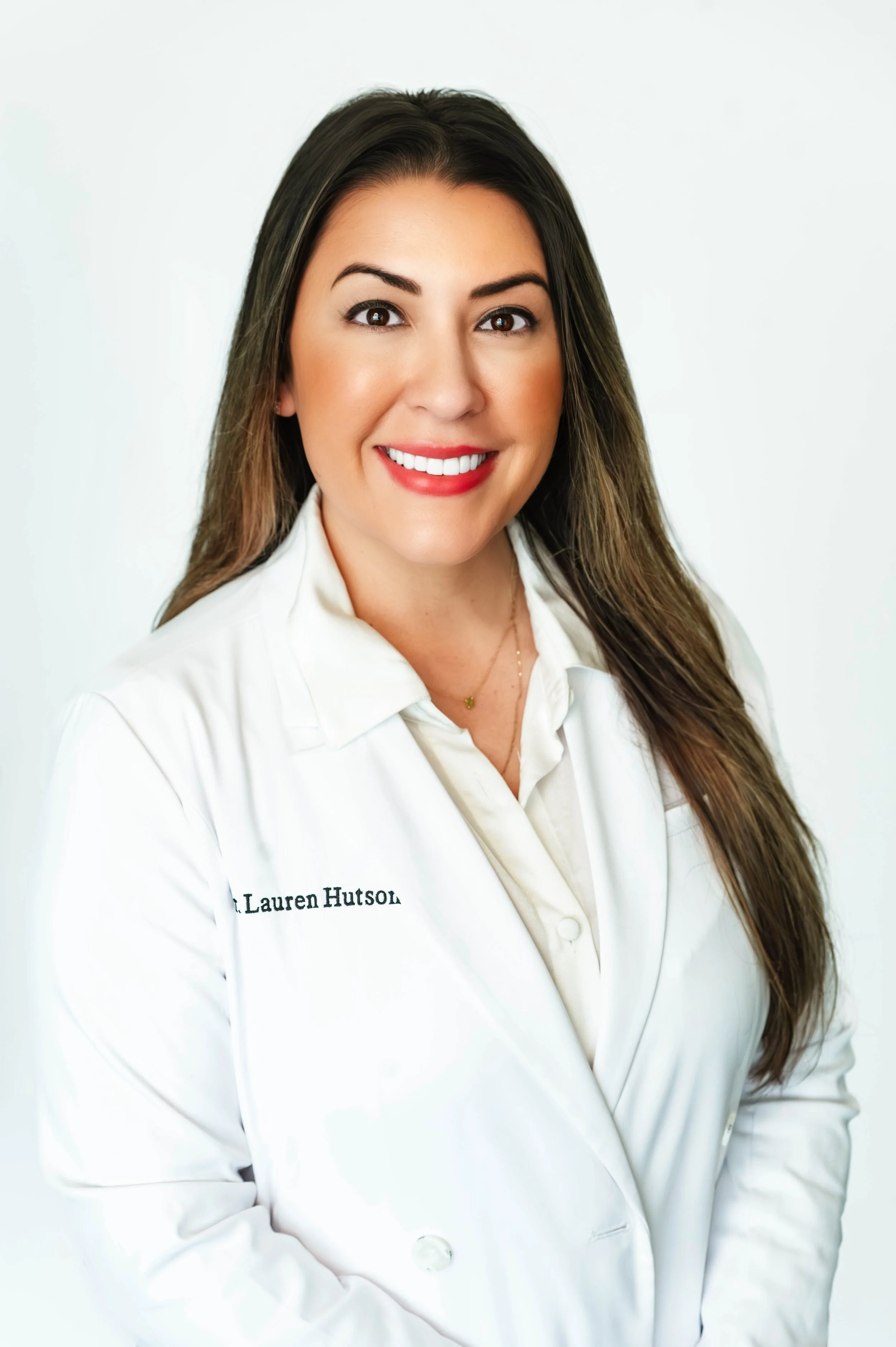
Meet the Author
Dr. Lauren Hutson is an experienced Primary Care Provider with degrees in Neuroscience and Biology from the University of Texas at Austin. She completed her residency at Baylor Scott & White, Texas A&M, with ABIM certification in Internal Medicine and has developed a strong focus on preventive care and chronic illness management. During the COVID-19 pandemic, she provided critical care as a Hospitalist in New Mexico, exemplifying her commitment to saving lives.
Dr. Hutson is also trained in Functional Medicine, is ABHRT and SSRP certified, and holds ABCN certification pending- these tools help exemplify her passion for root cause approach and healing the body as a whole. She practices medicine at the cellular level, focusing on enhancing longevity and optimizing long-term health by addressing root causes. She believes that all disease can start in the gut, and has authored a book on gut health to share her insights on the microbiome’s role in overall wellness.
Her front-line experiences during the pandemic inspired her to emphasize preventive health and health span over lifespan, investing in personalized strategies that empower patients to live healthier, longer, and more vibrant lives.