
The Guidelines Finally Caught Up. Here Is What Changed in 2026.

I want to walk you through five changes that happened in medicine over the last year. Not because they are new to me, but because the official guidelines finally moved to where root-cause medicine has been standing for a long time.
Here is the thing most people do not realize. A guideline changing does not mean the science just appeared. It means the system finally caught up to it. And usually the only thing that actually changes overnight is what your insurance will pay for.
So let me translate what moved, and what it means for you.
1. The HRT fear is officially over
For more than twenty years, hormone therapy for menopause carried the strongest warning the FDA can put on a drug. A black box. It scared a generation of women, and their doctors, away from a treatment that helps with hot flashes, night sweats, sleep, bone loss, and quality of life.
In February 2026, the FDA removed those boxed warnings for cardiovascular disease, breast cancer, and dementia from menopausal hormone therapy products. The warning that stuck around is a narrow one, for a specific estrogen-only situation in women who still have a uterus.
What this means for you: the conversation about hormones should no longer start with fear. It should start with your history, your symptoms, your timing, and your goals. Hormone therapy is not right for everyone, and starting it is an individualized decision. But being talked out of even discussing it? That era is done.
2. PCOS has a new name, and the new name tells the real story
If you have ever been told you have PCOS, or you suspect you do, this one matters.
In May 2026, an international consensus published in The Lancet officially renamed Polycystic Ovary Syndrome. The new name is Polyendocrine Metabolic Ovarian Syndrome, or PMOS. More than fifty organizations and a fourteen-year global effort went into this.
Why bother renaming it? Because the old name was wrong. It made everyone, including doctors, believe the problem was cysts on the ovaries. It never was. This is a whole-body hormonal and metabolic condition that touches your metabolism, your weight, your skin, your mood, and your fertility.
What this means for you: the diagnosis is finally catching up to how I have always treated it. Not as an ovary problem, but as a metabolic one. If you have been handed a birth control pill and sent home, you were treated for the old name. You deserve the new one.
3. Two heart tests your annual physical probably skipped
Standard cholesterol panels miss things. Two of the most important markers for heart risk are ones most people have never had run.
In 2026, the new national cardiology guidelines recommended, for the first time, that every adult have a marker called Lp(a) measured at least once in their life. About one in five people carry a high level and have no idea, because it is genetic and a normal cholesterol panel will not show it. The second marker, ApoB, can be high even when your LDL looks perfectly fine, which means your real risk is higher than your basic labs suggest.
Here is the frustrating part. The guideline changed, but insurance has not caught up. Medicare still does not cover Lp(a) for screening, and most major insurers deny it unless you already have risk factors. If it is covered you might pay a small copay. If it is denied, the billed price can be steep.
What this means for you: we can simply order these. Because Lp(a) is genetic and only needs to be checked once in your lifetime, paying cash is often cheaper than the runaround with insurance anyway. One test. Once. Information you keep forever.
4. "Your labs are normal" when you feel anything but
This is the one I get worked up about.
For decades, the cutoff for iron deficiency was set so low that you had to be nearly on the floor to qualify. So millions of women walked out of appointments exhausted, losing hair, foggy, and cold, holding a lab report that said "normal."
In 2025 and 2026, the research shifted hard toward raising that cutoff. Newer analysis supports flagging iron deficiency at meaningfully higher ferritin levels than the old standard, and one major review suggested a ferritin under 50 should prompt a real look, not a shrug.
What this means for you: the woman with a ferritin of 28 and crushing fatigue was always iron deficient. The bar was just too low to admit it. If you have been told your iron is "fine" while you feel wrecked, it is worth a second look at the actual number, not just the word normal.
5. If you are 45 or older, do not wait
Quick and important. Colorectal cancer screening is recommended starting at age 45, and for most plans it is covered with no out of pocket cost. This has been the standard since 2021, yet plenty of people are still being told to wait until 50.
What this means for you: if you are 45 to 49 and no one has brought this up, that advice is five years out of date. This is one of the most preventable cancers we have. Do not sit on it.
The pattern here
Look at all five together. HRT. PMOS. Heart markers. Iron. Screening age. In every single case, the guideline moved toward earlier, more complete, more root-cause care. The kind we have been practicing all along.
The lesson is not to wait for the system to give you permission. By the time a guideline changes, the science has usually been sitting there for years. My job is to be ahead of it, so you get the benefit now, not in a decade.
If any of this hit a nerve, whether it is menopause, a PCOS label that never sat right, your heart risk, or a "normal" lab that does not match how you feel, let's actually look at it.
Call the clinic at 737-400-6010 to get started.
You do not have to wait for medicine to catch up to you.
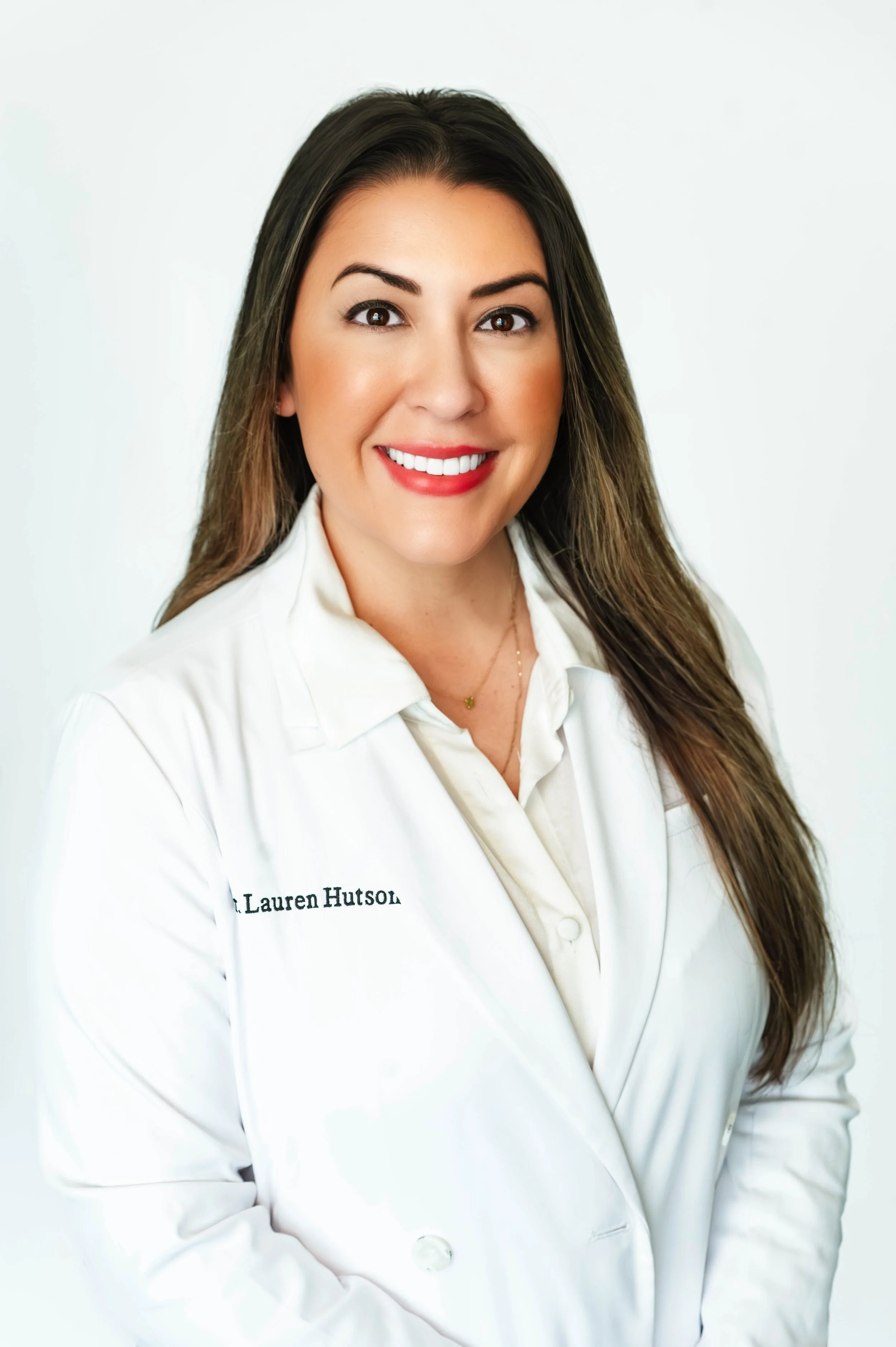
Meet the Author
Dr. Lauren Hutson is an experienced Primary Care Provider with degrees in Neuroscience and Biology from the University of Texas at Austin. She completed her residency at Baylor Scott & White, Texas A&M, with ABIM certification in Internal Medicine and has developed a strong focus on preventive care and chronic illness management. During the COVID-19 pandemic, she provided critical care as a Hospitalist in New Mexico, exemplifying her commitment to saving lives.
Dr. Hutson is also trained in Functional Medicine, is ABHRT and SSRP certified, and holds ABCN certification pending. These tools help exemplify her passion for a root-cause approach and healing the body as a whole. She practices medicine at the cellular level, focusing on enhancing longevity and optimizing long-term health by addressing root causes.
She believes that all disease can start in the gut, and has authored a book on gut health to share her insights on the microbiome’s role in overall wellness.
Her front-line experiences during the pandemic inspired her to emphasize preventive health and health span over lifespan, investing in personalized strategies that empower patients to live healthier, longer, and more vibrant lives.